Travel Guide: 48 hours in Wallonia (Namur & Liège), Belgium
Get link
Facebook
X
Pinterest
Email
Other Apps
Travel Guide: 48 hours in Wallonia (Namur & Liège), Belgium
An hour out of the main hub of Belgium’s capital Brussels, and you are in the stunning countryside of Wallonia. It’s a region rich in architecture, history and patriotic people and offers two interesting cities.
Two contrasting places, the citadel dominated city of Namur and the shabby, but chic Liège are at the heart of this fascinating area.
Also read: Top 10 things to do in Brussels
Stroll around Namur, the capital of Wallonia
The historic capital of Wallonia, Namur, with winding streets and impressive architecture including the stunning 18th century cathedral dedicated to St Aubain, is a great place to wander round. You will find it located on the junction of the Sambre and Meuse rivers surrounded by a vast citadel, once one of Europe’s fiercest fortresses.
The Parliament of Wallonia stands proud. Look up and you’ll see its belfry a UNESCO world heritage site.
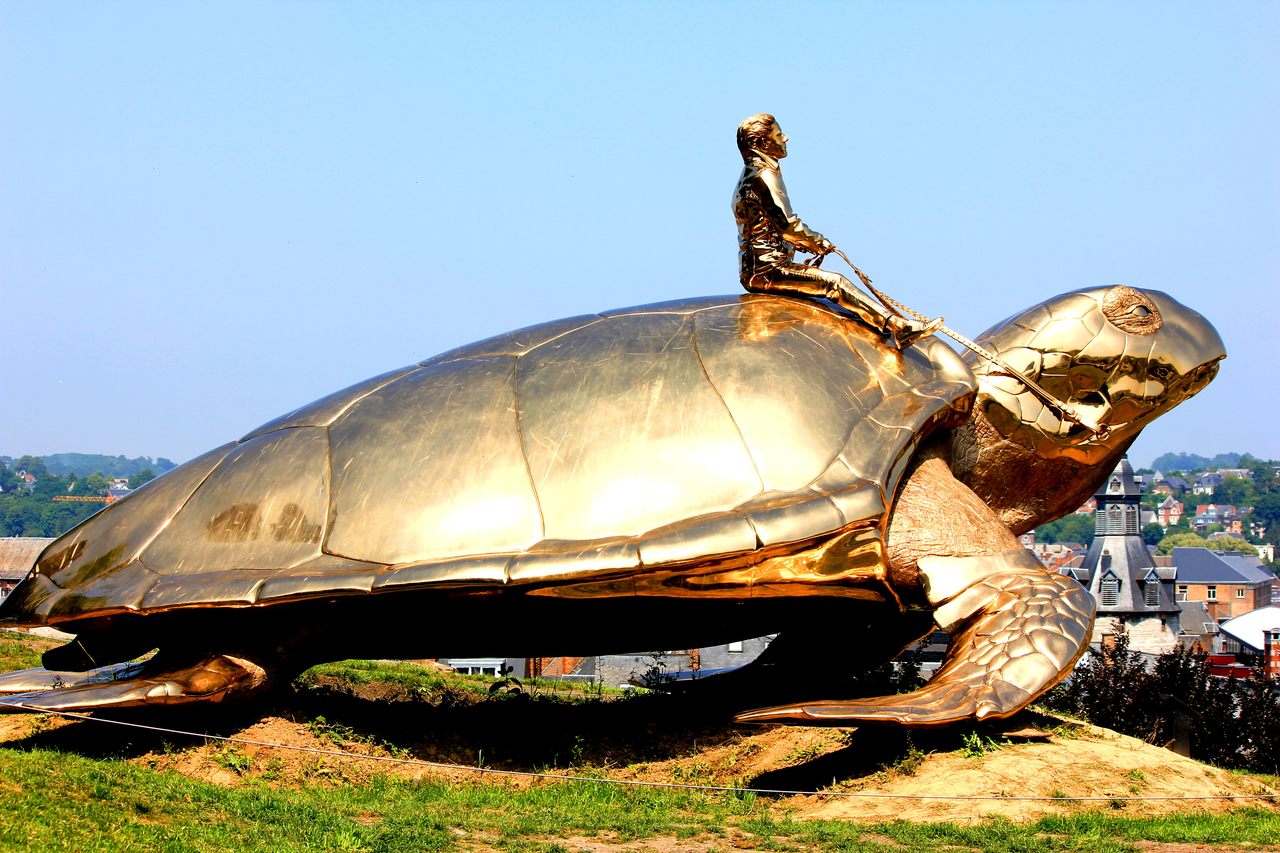
There an incredible giant golden turtle that sits at the top of the entrance. It’s purpose is to serve as a symbol of Namur’s dedication to the slow pace of life.
The city has some odd customs too including the Fight of the Golden Stilt held on the third Sunday in September where two teams dress in medieval teams while standing on stilts and do battle in the town’s main square.
Go underground
Fascinating underground tunnels can be explored and are brought to life with digitally enhanced soldiers who tell the history of the fortress, which dates right back to the Celts and Romans. The story includes a period of devastation during World War I and II.
The tunnels played an important part in protecting Namur and are put to good use in modern times, with enterprising businesses such as a perfume workshop that takes advantage of the near perfect conditions to produce a sweet scent.
City of Liège
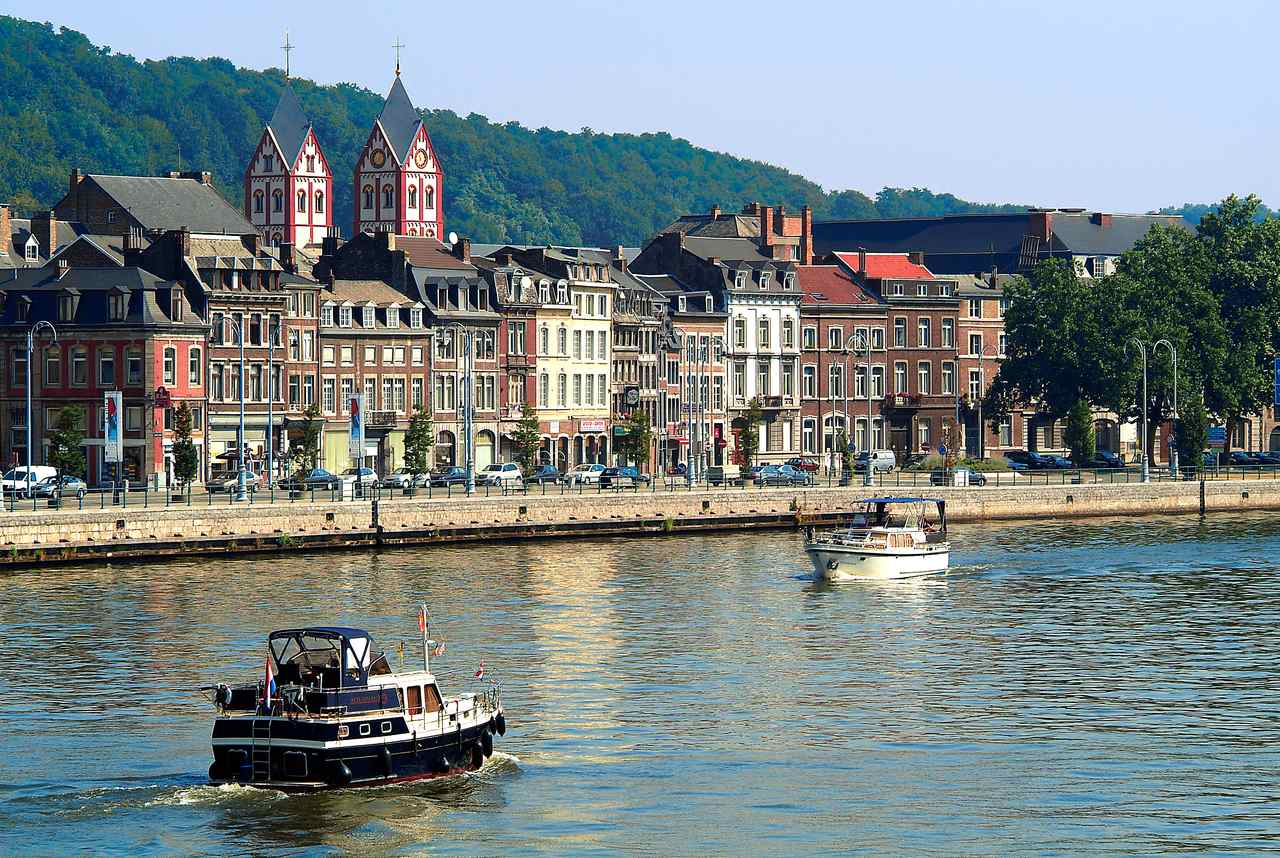
Also running along the Meuse River is the strangely attractive city of Liège. First impressions are that it is a bit drab, but as you begin to explore, it unravels into a place of many talents.
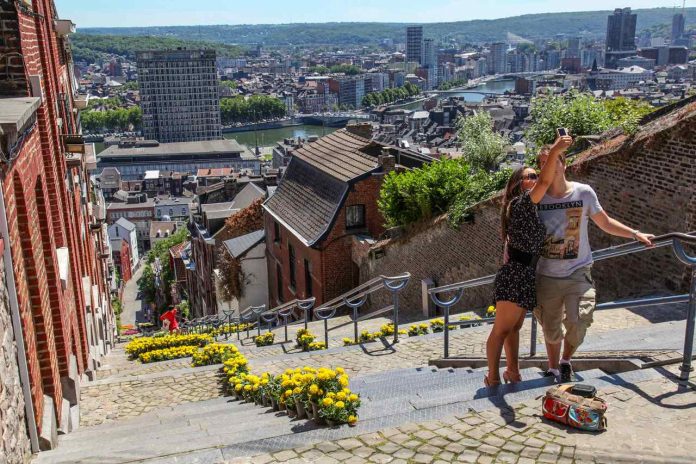
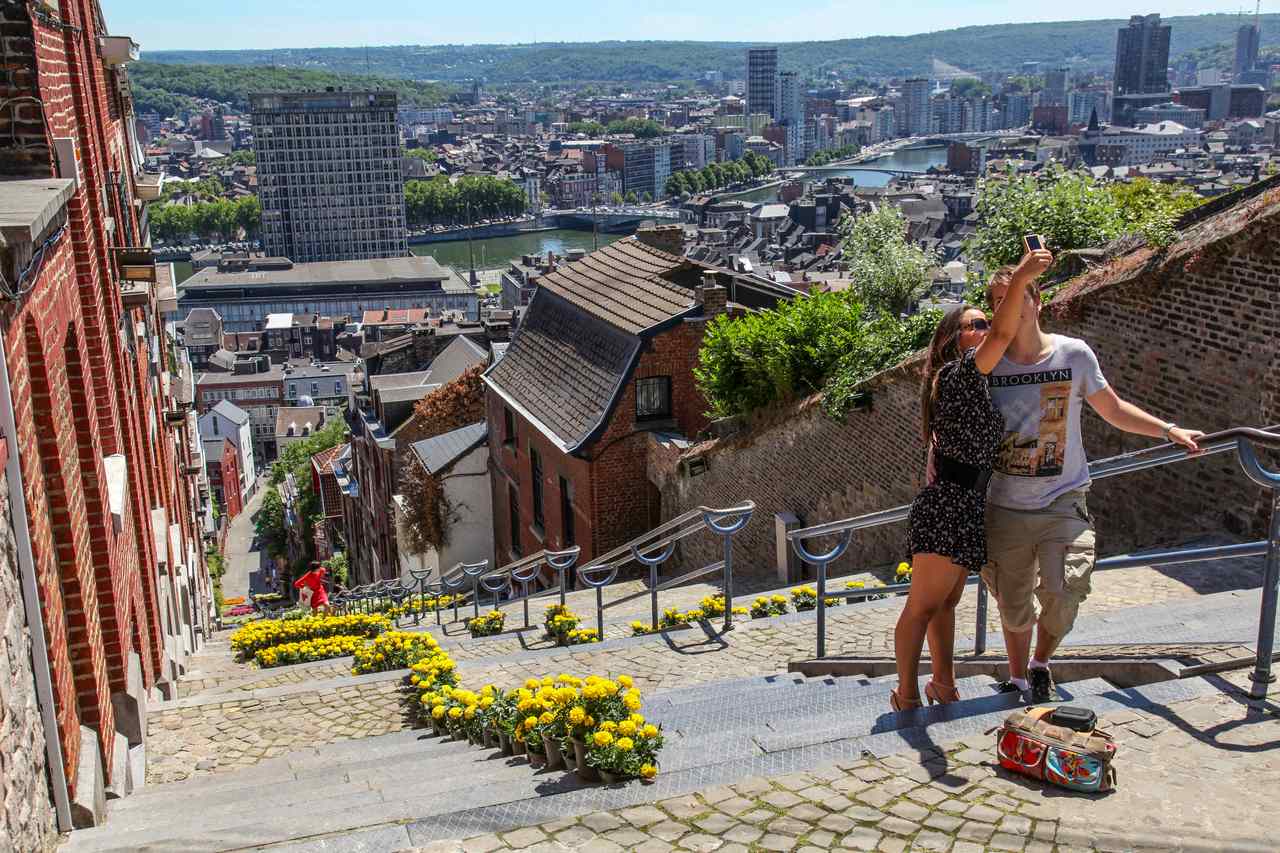
You could start with A climb up the 374 steps of Montagne de Bueren, one of the world’s extreme staircases will have you admiring the views of the city and the nearby trendy neighbourhoods, full of people who just want to party.
The modern and iconic Liège-Gullemins railway station is worth some attention. It was designed by Santiago Calatrava in 2009 with bold bird like sweeping curves covered in glass and concrete. A massive Rubik Cube hangs delicately from the roof. Stand at platform 1, you can see the impressive 118m sail-shaped skyscraper.
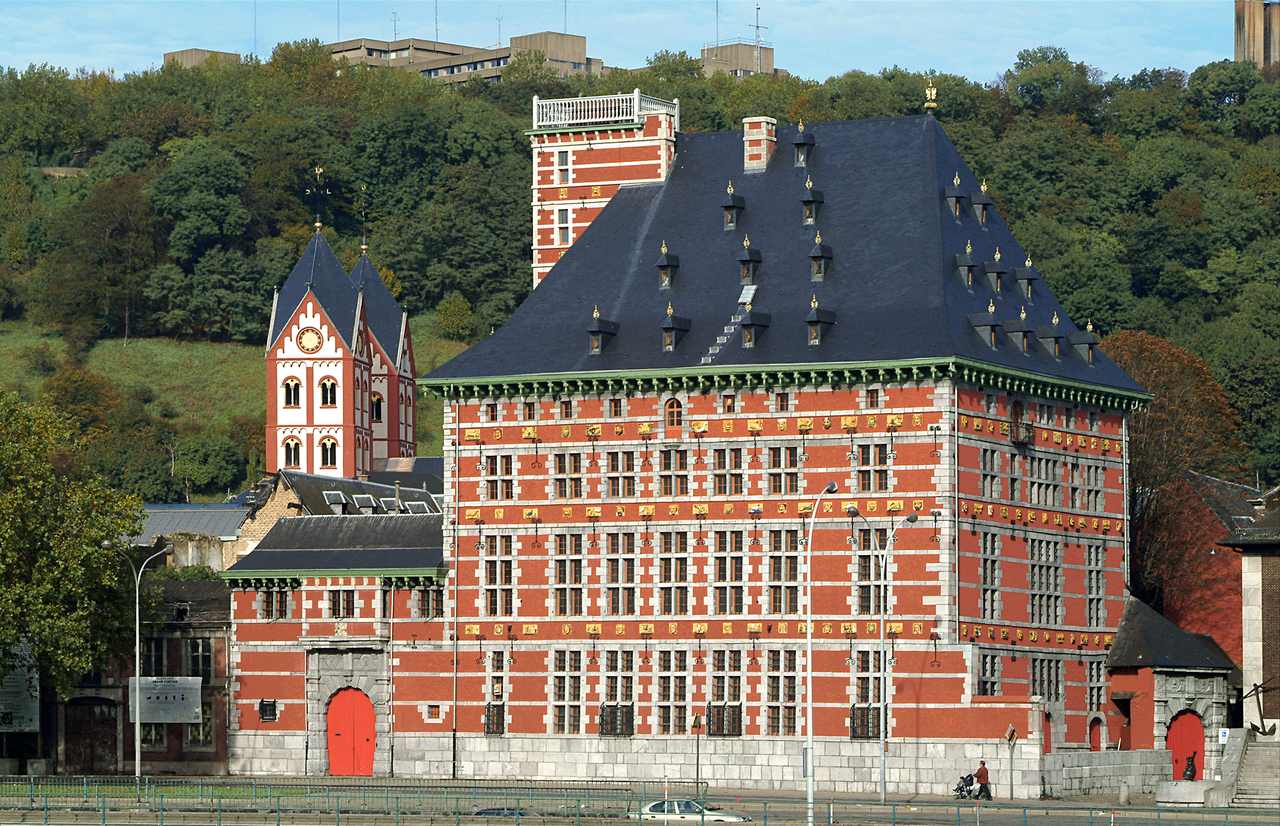
Also, check out the 16th century Grand Curtius museum standing majestically in a former arms dealer’s mansion warehouse is painted an eye catching ox-blood colour.
The Impressive Grand-Curtius museum Liège-c. Marc-Verpoorten-Liege-O.T
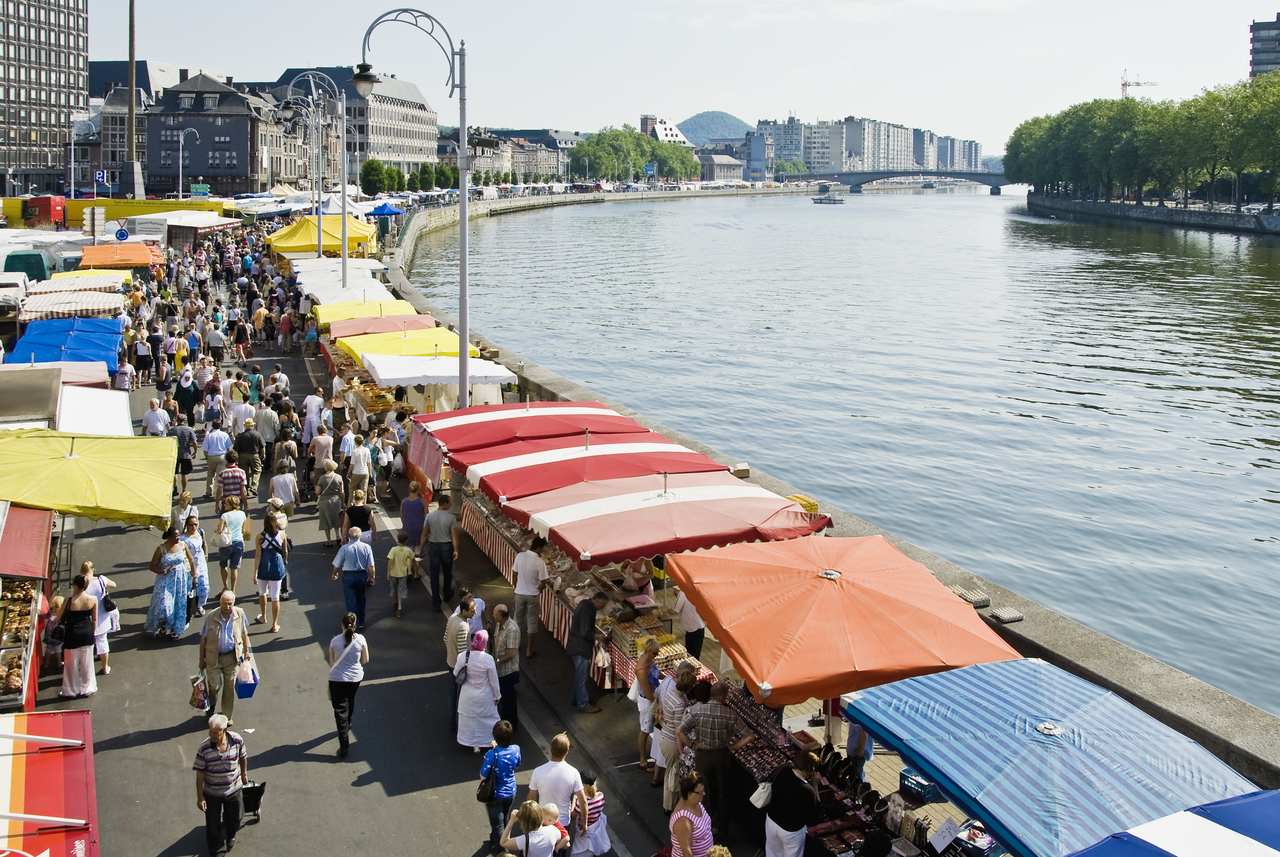
For a chance to rub shoulders the locals, don’t miss Belgium’s oldest and largest market. It is held every Sunday at La Battle and has every nick nack you can imagine on sale along with the traditional foods and drinks.
Festivals
June to September is festival time in Namur, with one of the most popular held at the seat of liars. During the festival, people are asked to sit in the seat, tell a story and the audience has to guess whether it is true or not.
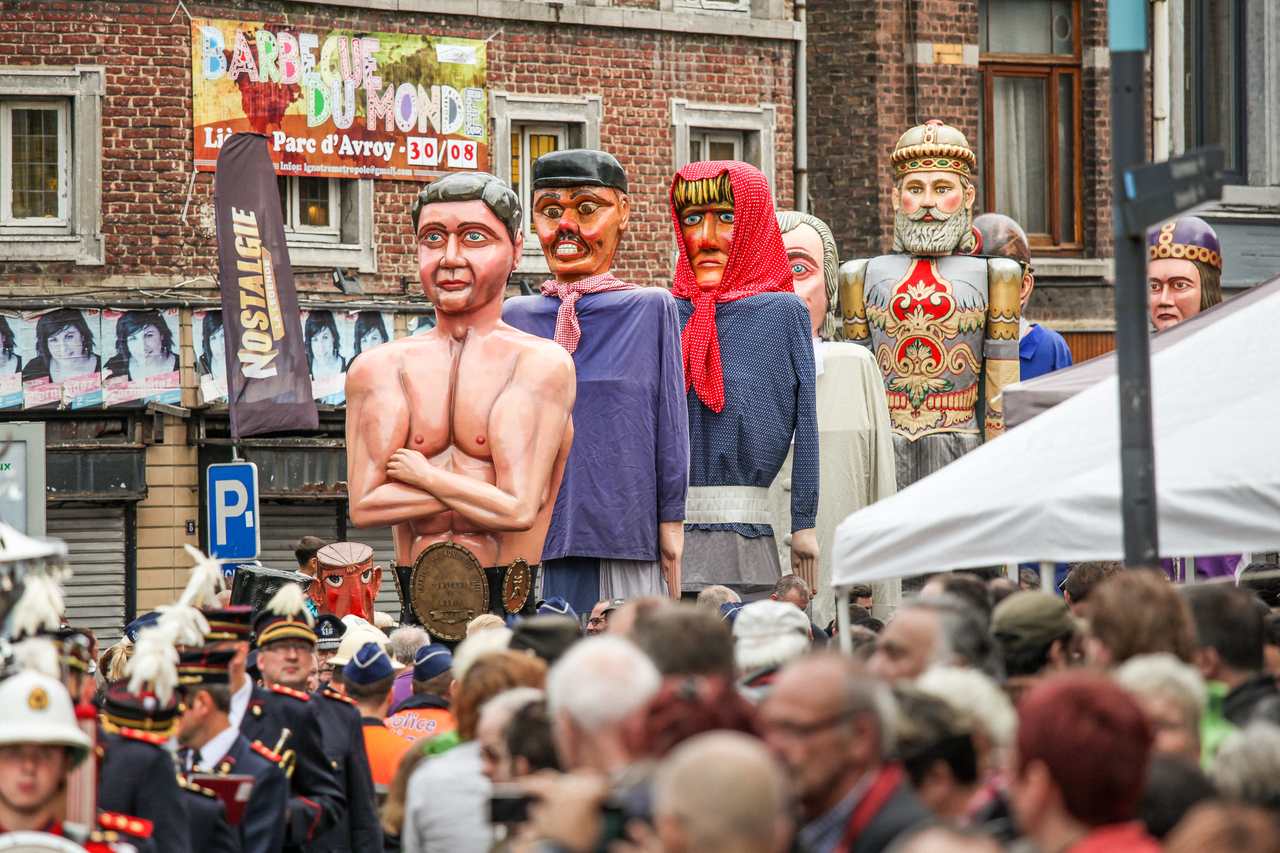
Liège marks its festival with a week of fun at the Festival Outremeuse in August which is rounded off on the 15th with a sermon read in Walloon dialect while the audience enjoy a few glasses of Peket.
There are puppets, firecrackers, traditional dancing and rowdy crowds. Bizarrely the festival is closed by cremating a bone and then symbolically burying the ashes, while the black wearing locals pretend to weep, listen to sad music and then burst into happy songs.
Where to eat
Vegetarians will struggle as its meat heaven in Wallonia unless of course you like waffles. Liège is famous for its waffles, often said to superior to those made in Brussels simply because it has rounded edges and tiny squares which mean toppings such as syrup and chocolate can soak into the waffle to make it super tasty.
There are waffle specialists in both Liège and Namur, with Une Gaufrette Saperlipopette, the best bakery in Liège, always with a huge queue outside it.
In Namur The Grill restaurant inside Les Tanneurs Hotel is a great stop off, with classy cuts of meat, amazing coffee desserts and plenty of Belgium beer.
Liège has an abundance of top joints including The Amon Nanesse restaurant which is a rambling antique house with bare-brick walls and heavy beams and the place to try out the speciality sweet raisin gravy meatballs which are infused with juniper gin and the chic, mirror covered Bruit Qui Court restaurant, where caramalised ham, smoked duck and salads sprinkled with exotic fish are top of the menu.
Where to stay
In Namur stay in the charming Les Tanneurs Hotel, created by connecting 15 traditional houses together. A classy place, with beautiful rooms and some stunning stonework combined with mod cons, such as television in the bathroom. As well as a tasty buffet breakfast you get the chance to try out the strangely addictive pancake making machine.
For something more contemporary the Pentahotel Liège is a good choice. It looks like a 1960’s office block on the outside, but inside you are transported to an American style diner bar with pool table and comfy sofas, Hollywood lamps and glittery disco balls. When you check in, the bartenders suddenly stop mixing the cocktails and become fast moving receptionists.
Getting there
Low cost airlines head into Brussels Charleroi Airport and then a short bus journey into the city takes you to the main railway hub and frequent fast trains to Wallonia.
Top 10 things to see and do in the volcanic Azores archipelago: Sao Miguel, Faial and Pico islands Lying in the middle of the North Atlantic are nine volcanic islands that make up the Azores archipelago, an autonomous region of Portugal. Get there in May and the lush land lights up with the pinks and blues of the long stretches of hydrangeas in Sau Miguel. At any time you can see the basalt lined vineyards growing out of the dark land of Pico Island and watch the steamy plumes escape from the calderas Lagoa des Furnas. 1 Ponta Delgada, Sao Miguel It may be the Azores’ most populated and developed city, but with delightful cobbled streets, 16th century churches and a charming seafront promenade, visitors to Ponta Delgada will feel like they’ve stepped back in time. Gaze through the iconic city gate, Portas da Cidade, at the imposing church, Igreja Matriz de São Sebastião, and marvel at how islanders have ingeniously incorporated their volcanic surroundings into everyday life. For these ...
Travel Guide: What is there to see and do in the Bay of Kotor, Montenegro Nestled in between Croatia, Serbia, Kosovo, Bosnia & Herzegovina and Albania, Montenegro is a small Balkan gem with plenty to explore. With medieval towns, lakes, mountains and canyons, you’ll want to check it out on foot, so don’t forget to pack your walking shoes. Now thanks to budget flights from London to Tivat, the Bay of Kotor in the southwest of Montenegro is waiting to be explored. Here is our guide to the top things to do when you get there. Kotor Old Town Just half an hour from Tivat airport is the UNESCO Heritage town of Kotor, a labyrinth of winding streets and old stone stairways leading to churches, prisons and palaces. You can spend hours here just sauntering, drinking in the atmosphere and absorbing sights such as the cathedral of St Tryphon with its silver altar and mysterious frescoes. One of the alleys radiating off the main piazza takes you to the start of the ascent to the 9th century St ...
Walking the Alta Via dei Monti Liguri, Italy Italy has a number of long distance trails and although the Alta Via dei Monti Liguri wascreated over 30 years ago, it’s almost unknown outside the region. The 430km Alta Via trail crosses Liguria from west to east, following the mountains above the coast, starting in Ventimiglia and e nding in Ceparana. There’s a certain amount of confusion because there are other Alta Via paths in Italy, notably in the Dolomites. This one certainly deserves more recognition as you get to see the whole length of Liguria. You can do its 44 stages on foot and also by mountain bike, although that’s more than 100km longer. It crosses the Ligurian Alps and Apennines following the coast, but staying on the high ground at around 1000m. As a result, although you see the sea at every turn you never get close enough to swim. This is not difficult hiking, rather more a pleasant stroll, and a network of more than 100 B&B’s along the trail ensures you always have so...


Comments
Post a Comment